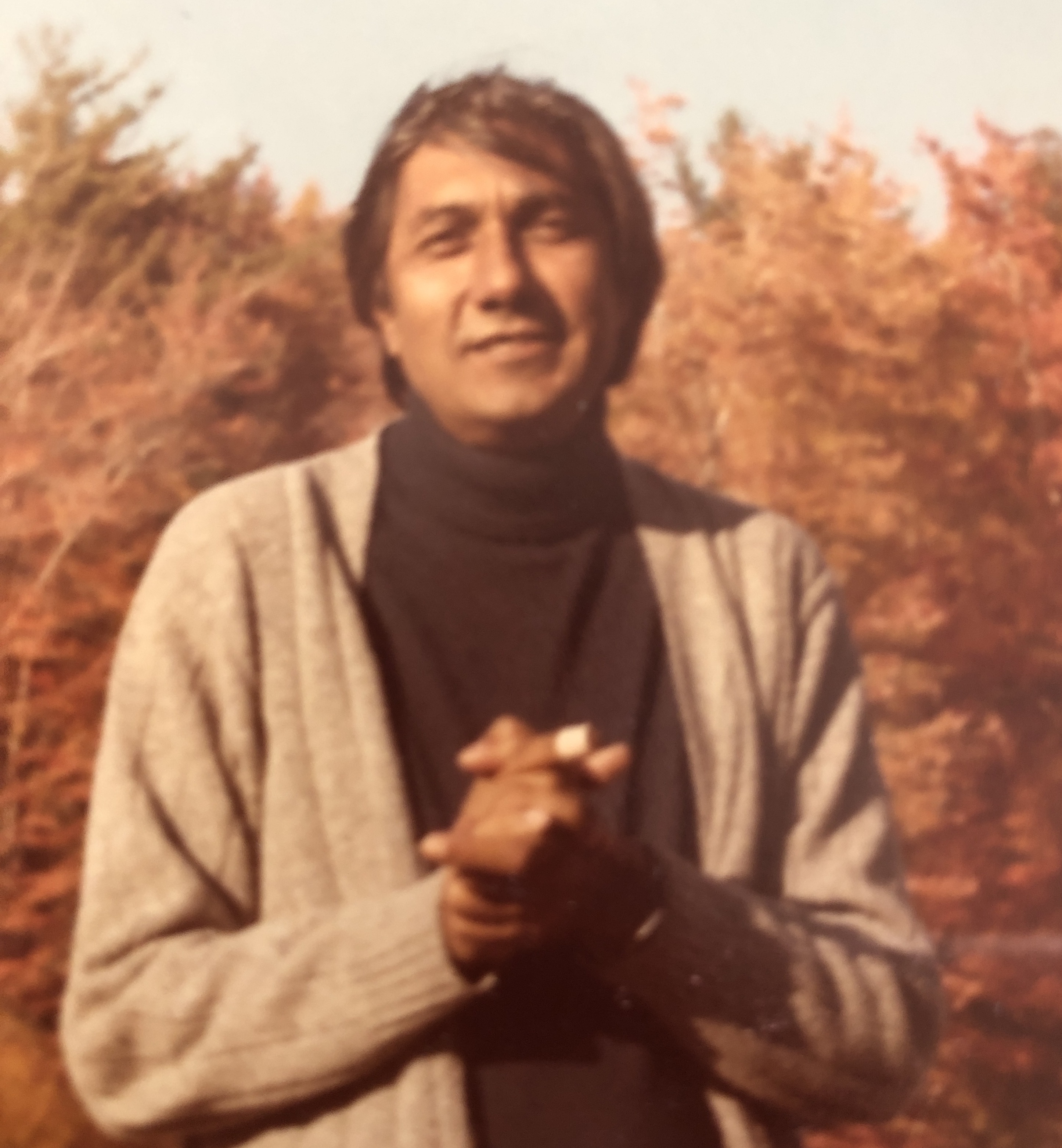
Daud Subhani
A Legacy in Journalism
Daud Subhani (October 24, 1933 - June 3, 1992) was a distinguished Pakistani journalist, photojournalist, and statesman whose career spanned the realms of media and politics. As a journalist, he was a pivotal figure at The Sun, an English language daily in Karachi, where he documented the nation's critical moments with a keen eye for detail and a commitment to truth. His work extended beyond national borders as he served as a correspondent for international wire agencies, Time Magazine, Life Magazine, and UPI, bringing stories from Pakistan to the global stage.
His bravery and dedication to journalism were profoundly demonstrated during the 1971 war, where he not only reported from the front lines but also endured the ordeal of being a Prisoner of War. This period underscored his bravery and unwavering dedication to his profession.
In the realm of public service, Daud Subhani's contributions were equally significant. He served as a cabinet minister under Prime Minister Benazir Bhutto, who made history by becoming the first woman to lead a Muslim-majority country. His role in her cabinet was a testament to his leadership and commitment to Pakistan's development and governance. He died in June of 1992 in Pakistan while serving in that position.
Subhani's legacy is one of passion, resilience, and dedication to the betterment of his country. His journalistic endeavors have left an indelible mark on the historical record of Pakistan, while his political service reflects his broader impact on the nation's trajectory. He remains an inspirational figure for journalists and public servants, symbolizing the power of perseverance and the importance of serving one's country with integrity.
He is survived by his wife, Nuzhat Subhani, four children, and fourteen grandchildren.